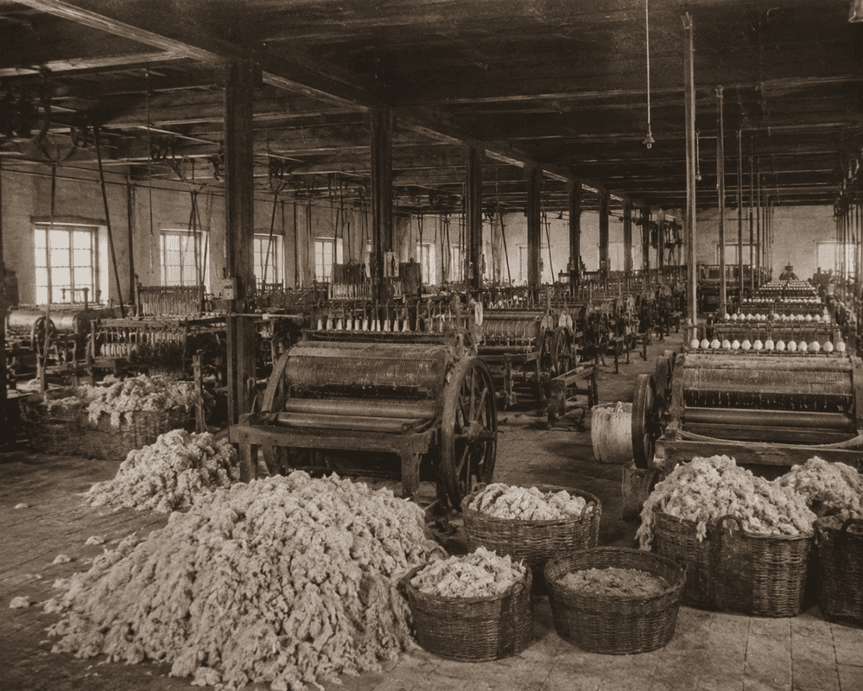
1. Primordial Origins: From the Steppes to the Silk Road
The odyssey began over two millennia ago in the gale-swept expanses of Xinjiang, Gansu, and Inner Mongolia. In these unforgiving landscapes, nomadic tribes cultivated a life intertwined with their flocks, transforming fleece into a shield against the elements.
Archaeological Echoes: Excavations of Han Dynasty (206 BCE-220 CE) tombs have unveiled wool fragments that have miraculously withstood the ages. Dyed in the majestic hues of cinnabar and indigo, these relics showcase the sophisticated "U-shaped knotting" technique - one of the world's most ancient and enduring weaving methodologies.
The Portable Sanctuary: For the nomad, a premium wool blanket was a mobile refuge. It was crafted to be light enough for a life on horseback, yet dense enough to insulate families against the brutal -40 degrees Celsius winters of the Mongolian Plateau.
A Tapestry of Exchange: As the Silk Road pulsed with commerce, these blankets became a "currency of comfort." While Chinese silk journeyed West, Central Asian motifs migrated East, forging a unique aesthetic that would eventually adorn the imperial halls of the Tang Dynasty.
2. Imperial Splendor: The Golden Age of Weaving
During the Yuan Dynasty (1271-1368), the rulers of the steppe elevated wool weaving to a sovereign art form. The imperial court established dedicated workshops for cut-pile blankets, commissioning master artisans to weave masterpieces for palaces and hallowed temples.
The Mastery of the Knot: By the Ming and Qing dynasties, regional schools of excellence had emerged:
Beijing Palace Blankets: Renowned for their intricate hand-knotted motifs, these exquisite pieces garnered gold at the 1900 Paris Exposition.
Ningxia & Gansu Weaves: Celebrated for using fine "Autumn Wool," these blankets were coveted for their ethereal lightness and superior thermal properties.
A Ritual of Patience: The creation process was a profound meditation. From cleansing the fleece in crystalline mountain springs to fermenting dyes from crushed walnut hulls and safflower, every step was manual. A single masterpiece could demand six months of a master weaver's life, one knot at a time.
3. Heritage Reborn: Ancient Wisdom Meets 2026 Luxury
While the gears of industrialization turned elsewhere, artisans in China's rural heartlands guarded the ancient flames of their craft. Today, the Chinese wool blanket has been reimagined as a global icon of sustainable luxury, merging ancestral heritage with contemporary refinement.
Elite Fiber Selection: Modern artisanal collections, such as those by Wanroy, source the world's most prestigious fibers. From the "Soft Gold" of Xinjiang Merino to the robust Tibetan Highland wool, these materials offer thermal insulation three times more effective than cotton.
Eco-Conscious Alchemy: Contemporary mastery pairs traditional structures with botanical dyeing processes. This ensures the warmth is as gentle on the ecosystem as it is on the skin - a true harmony of nature and nurture.
A Global Legacy: No longer tethered solely to the grasslands, these wool products now grace high-end residences in New York, London, and Tokyo, prized for their ability to gain character and beauty over decades of use.
4. The Soul in the Stitch: More Than Warmth
The true essence of a Chinese pure wool blanket lies in the spirit woven into its marrow. When you wrap yourself in a Wanroy wool blanket, you are not just wearing a textile; you are embracing:
The unbridled freedom of herders beneath an infinite azure sky.
The boundless patience of the artisan working by soft lamplight.
The ancient wisdom of a culture that has mastered the alchemy of natural insulation.
It is a quiet legacy - a tactile bridge between the weight of history and the lightness of nature. Wrapped in this wool, you experience a timeless warmth that feels, unequivocally, like coming home.