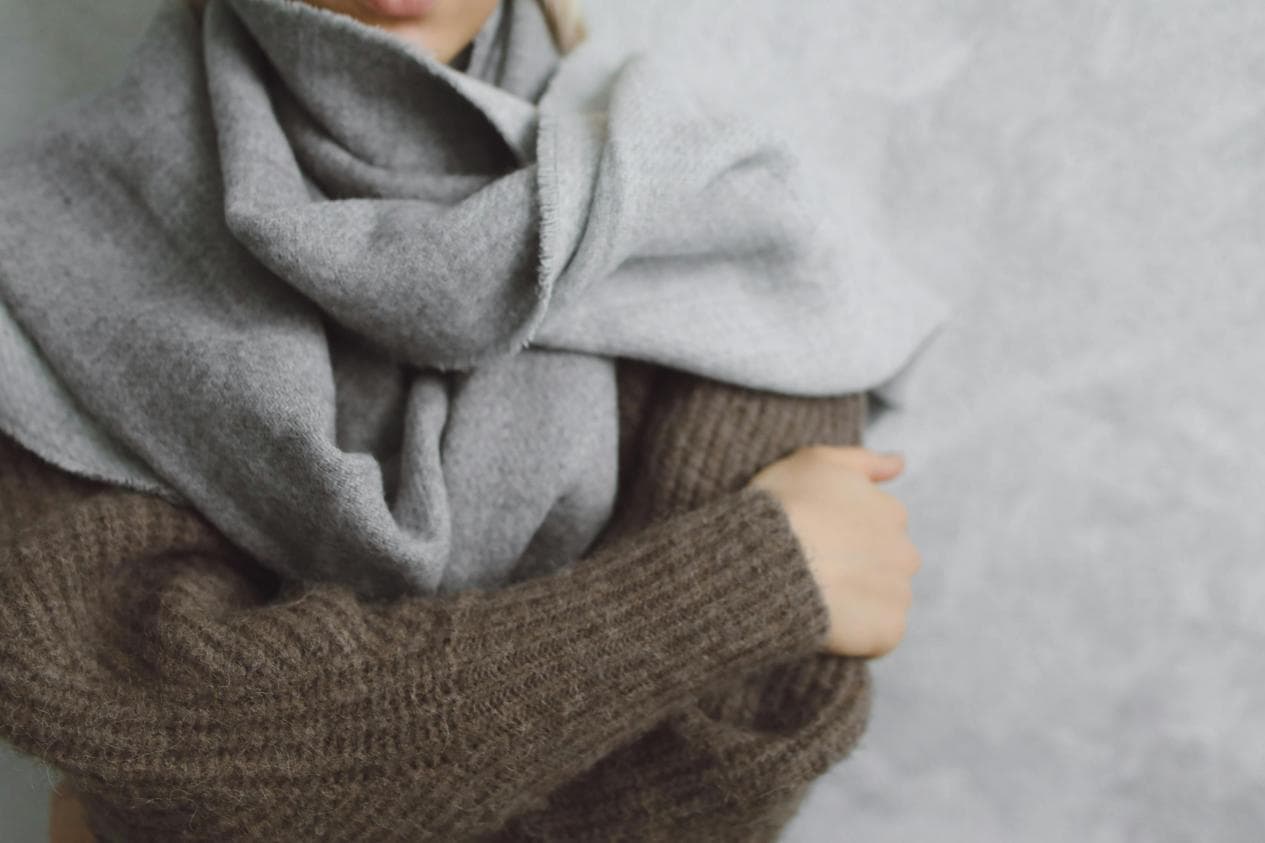
1. The Science of Softness: Fiber Fineness
The itch factor in wool is determined by the diameter of the fibers, measured in microns. The lower the micron count, the more flexible the fiber, allowing it to bend against the skin rather than prickle.
Ultra-Fine (15-17.5 microns): The gold standard. Delivers a "cloud-like" silkiness comparable to cashmere.
Super-Fine (17.5-19.5 microns): Excellent for next-to-skin comfort and sensitive skin.
Fine (19.5-21 microns): High-quality standard; soft, but may lack the buttery finish of finer grades.
Broad (>21 microns): Best suited for outerwear or rugs; often feels coarse or itchy as a wrap.
2. Decoding Weight: GSM (Grams per Square Meter)
The weight of the fabric determines its thermal properties and how it interacts with your wardrobe. Matching the GSM to your lifestyle is key to versatility.
3. Composition & Authenticity
To experience the true benefits of Merino - moisture-wicking and odor resistance - purity matters.
100% Merino Wool: Provides the best natural performance and thermal regulation.
Blends: High-end blends, such as Merino with Silk or Cashmere, can enhance sheen and softness. However, avoid "Merino-rich" blends that contain high percentages of synthetics, such as polyester or acrylic, as these often pill easily and lose breathability.
4. Handfeel & Architectural Drape
A premium wrap is defined by its hand - the tactile sensation of the fabric - and its drape.
Tactile Response: It should feel buttery-smooth and possess a springy resilience. When scrunched, high-quality Merino should bounce back with minimal wrinkling.
The Drape: Because Merino fibers are long and fine, a well-made wrap should fall with a gentle, liquid-like flow. It should skim the silhouette gracefully without appearing stiff or bulky.
5. Craftsmanship & Long-term Care
Excellence is found in the details. Before purchasing, inspect the structural integrity:
Finishing: Look for clean, reinforced edges and invisible seams. Fringing should be uniform and securely twisted.
Sustainability: Seek certifications like ZQ Merino or RWS (Responsible Wool Standard) to ensure ethical farming and animal welfare.
Maintenance: While many modern wraps feature "Superwash" treatments for machine compatibility, hand-washing or professional dry cleaning remains the best way to preserve the natural oils, lanolin, and shape of the garment.